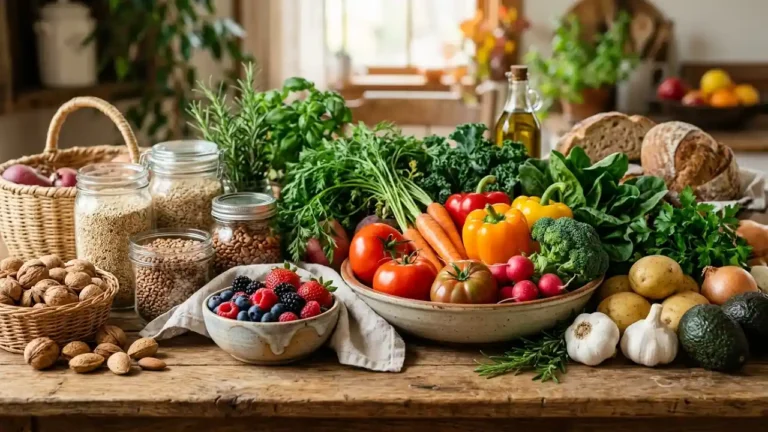

Chinese Food Menu : Rethink It With Fresh Roots
The typical chinese food menu most of us grew up ordering from was built for speed, not for sourcing.
But this summer, something is shifting — home cooks and small restaurants alike are rebuilding the chinese food menu around farm-fresh produce, root vegetables, and clean ingredients that taste better and tell a bigger story.
Our culinary team has been watching this wave build, and we’re here for it.
Greek rice recipe : secrets from farm to table
Key Takeaways:
- Chinese food has traditionally been about being affordable, fast, and accessible — but now there’s a visible shift toward a more elevated, high-end experience, even with everyday dishes.
- Diners are moving past generic Chinese food toward city-level regional specificity — from Chongqing hot pot to Kunming rice noodles.
- Asian cuisine claims now represent 33% of consumer choices in the chicken and poultry category, with Chinese cuisine up 10% in the past year.
Why Are Home Cooks Reinventing the Chinese Food Menu?
If you’ve been following food trends, this won’t come as a surprise.
American diners are moving beyond the Americanized Chinese food canon toward authentic regional preparations, and this shift is creating new menu opportunities.
Consumers are pulling away from safe, softened formats and moving toward dishes with real flavor depth, global origin, and a clear identity.
What does that mean for your home kitchen?
It means your chinese food menu deserves better ingredients — especially when it comes to root vegetables.
Ginger, daikon, lotus root, taro, and sweet potato have always been central to regional Chinese cooking.
We believe the best way to honor that tradition is to source those roots locally and cook them with care.
Sous Vide Recipes for Autumn Root Vegetables and Perfect Steaks
What Root Vegetables Belong on a Modern Chinese Food Menu?
Our harvest analysis suggests that root vegetables are the most underrated category on any chinese food menu — yet they carry immense flavor and nutritional weight.
Here’s how the most common roots compare:
| Root Vegetable | Flavor Profile | Best Chinese Dish Use | Peak Season |
|---|---|---|---|
| Fresh Ginger | Warm, peppery, bright | Stir-fries, soups, marinades | Year-round |
| Daikon Radish | Mild, slightly sweet | Braised dishes, turnip cake | Fall–Winter |
| Lotus Root | Nutty, slightly starchy | Stir-fry, stuffed slices, soups | Late Summer–Fall |
| Taro | Earthy, creamy | Steamed buns, stews, desserts | Fall–Winter |
| Sweet Potato | Sweet, dense | Roasted, congee, glass noodles | Fall |
Each of these roots brings texture and depth that no processed shortcut can replicate.
Culinary insiders are noting that taro and lotus root, in particular, are appearing on menus at elevated Chinese restaurants across major U.S. cities.

How Will Root-Forward Cooking Impact Your Next Meal?
The trend reflects “a shift toward more intentional, immersive, and emotionally connected dining,” with dishes like rice noodle rolls and lamb skewers topping delivery platform orders.
We tasted this shift firsthand in our own test kitchen.
A root-forward chinese food menu doesn’t require restaurant equipment — just fresh produce and the right technique.
Fire Cider Recipe : Brew the Ultimate Roots Remedy
Below is a recipe we developed that puts roots front and center.
Farm-Fresh Ginger-Braised Lotus Root and Taro Bowl (Serves 4)
Ingredients:
- 1 large lotus root, peeled and sliced into ¼-inch rounds
- 2 cups taro, peeled and cubed
- 1 tablespoon freshly grated ginger
- 3 cloves garlic, minced
- 2 tablespoons soy sauce (low-sodium preferred)
- 1 tablespoon Shaoxing wine
- 1 teaspoon sesame oil
- 1 tablespoon neutral oil (avocado or peanut)
- 1 cup vegetable or chicken stock
- 1 teaspoon rice vinegar
- Scallions and toasted sesame seeds for garnish
- Steamed jasmine rice for serving
Pepperidge Farm Stuffing : Elevate Your Dinner Table
Step-by-Step Preparation:
- Prepare the roots. Peel and slice the lotus root into even rounds.
Cube the taro into bite-sized pieces.
Rinse the lotus root slices under cold water to remove excess starch. - Heat your wok or skillet. Add neutral oil over medium-high heat until it just begins to shimmer.
- Sear the lotus root. Lay slices flat in the pan and cook 2–3 minutes per side until golden edges form.
Remove and set aside. - Cook the taro. Add taro cubes to the same pan, stirring occasionally for 3–4 minutes until lightly browned on the outside.
- Build the aromatics. Push the taro to one side and add ginger and garlic to the open space.
Stir for 30 seconds until fragrant — this is where the dish comes alive. - Deglaze and braise. Pour in Shaoxing wine, soy sauce, and stock.
Return lotus root slices to the pan.
Bring to a simmer, cover, and cook for 12–15 minutes until taro is fork-tender and the sauce has reduced slightly. - Finish with flavor. Remove from heat, drizzle sesame oil and rice vinegar over the top, and stir gently.
- Plate and serve. Spoon the braised roots over steamed jasmine rice.
Top with sliced scallions and a generous sprinkle of toasted sesame seeds.
What Does This Mean for Food Lovers Building a Chinese Food Menu at Home?
The shift is clear.
Asian cuisines have deep roots in American dining, and current trends reflect genuine consumer preference shifts rather than short-lived fads, with industry data consistently showing these cuisines growing in menu penetration year over year.
Building a chinese food menu at home doesn’t mean replicating a takeout counter.
It means choosing real roots, sourcing seasonal produce, and treating each ingredient with the respect it deserves.
Boones Farm : The Nostalgic Fruit Wine Making a Comeback
Here are practical steps we recommend:
- Shop your farmers market first — ginger, daikon, and sweet potatoes are widely available from local growers through fall.
- Stock a clean Chinese pantry — soy sauce, Shaoxing wine, rice vinegar, sesame oil, and white pepper form the backbone of most dishes.
- Learn one wok technique per week — stir-frying, braising, and steaming cover 80% of a solid chinese food menu rotation.
- Embrace regional variety — Chinese cuisine is a diverse culinary tradition, rich with a variety of flavors, ingredients, and cooking techniques from its distinct regions, from the spicy dishes of Sichuan to the delicate flavors of Cantonese cooking.
- Cook with intention — every root vegetable you add brings fiber, minerals, and character that processed substitutes simply cannot match.