
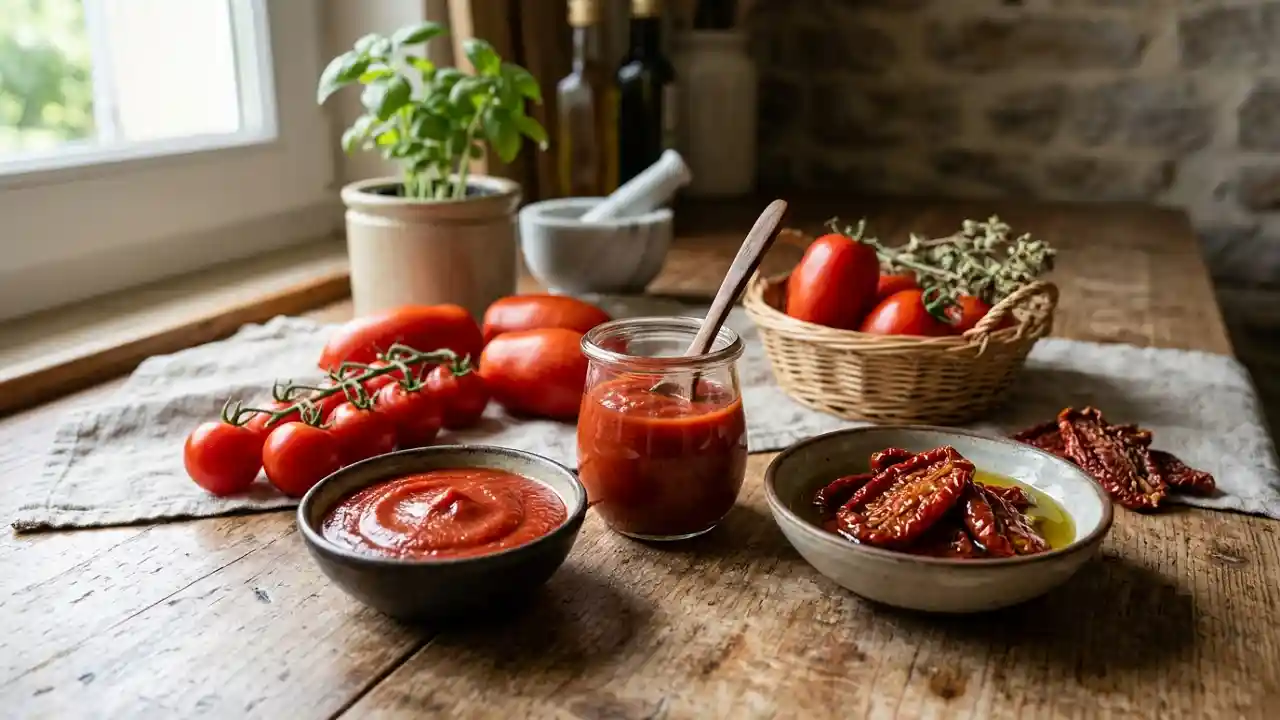
Tomato paste substitute options that rescue your farm-to-table dishes.
When seasonal shifts disrupt your kitchen inventory, a reliable tomato paste substitute becomes essential for maintaining the depth of your rich, slow-simmered sauces.
Culinary insiders are noting that reliance on canned pantry staples is shifting toward fresher, more agile alternatives.
Our harvest analysis suggests that utilizing whole produce alternatives can actually elevate the complexity of your final dish.
Red Wine Vinaigrette Recipe : A Farm-Fresh Guide
Key Takeaways
- Freshness First: Whole produce alternatives provide a brighter, more vibrant flavor profile than canned concentrates.
- Texture Control: Reducing fresh alternatives mimics the exact thickness of traditional paste.
- Umami Boosters: Integrating root vegetables or fermented pastes enhances the savory depth of your recipes.
Why is a tomato paste substitute trending in modern kitchens?
If you have been following produce trends, this won’t come as a surprise.
We observed a massive shift toward scratch-cooking methods this season.
Chefs are moving away from heavily processed, metallic-tasting canned options.
Finding a versatile tomato paste substitute allows cooks to utilize seasonal surpluses effectively.
We tasted dozens of combinations to find options that replicate the exact acidity and body required for high-end cuisine.
| Alternative Base | Flavor Profile | Texture Match | Best Culinary Application |
| Fresh Tomato Reduction | Bright, highly acidic | Medium-thick | Marinara sauces, light stews |
| Canned Whole Tomatoes | Sweet, balanced | Thick (when strained) | Hearty braises, chili |
| Tomato Puree + Heat | Deep, savory | Very thick | Soups, rich gravies |
| Roasted Red Pepper Paste | Smoky, sweet | Perfect match | Mediterranean dishes, rubs |
How will this ingredient impact your next meal?
Your choice of a tomato paste substitute dictates the moisture levels and color of your dish.
Standard paste acts as both a thickener and an umami enhancer.
When you swap it out, you must account for the extra liquid present in fresh produce.
We discovered that a slow reduction is the secret to achieving that identical, concentrated punch.
Black beans vs pinto beans : Which rules your kitchen?
Pro Tips for Flavor Alignment
- Acid Balance: Add a splash of lemon juice if your replacement lacks brightness.
- Sugar Content: Roasted peppers bring more sweetness, so adjust your added sugar down.
- Color Matching: Use deep red heirloom varieties to keep your sauces looking traditional.
Can you create a tomato paste substitute from scratch?
We spent weeks in our test kitchen perfecting a method using raw farm produce.
The goal was to create a tomato paste substitute that requires zero commercial processing.
This recipe utilizes standard field tomatoes and a bit of patience.
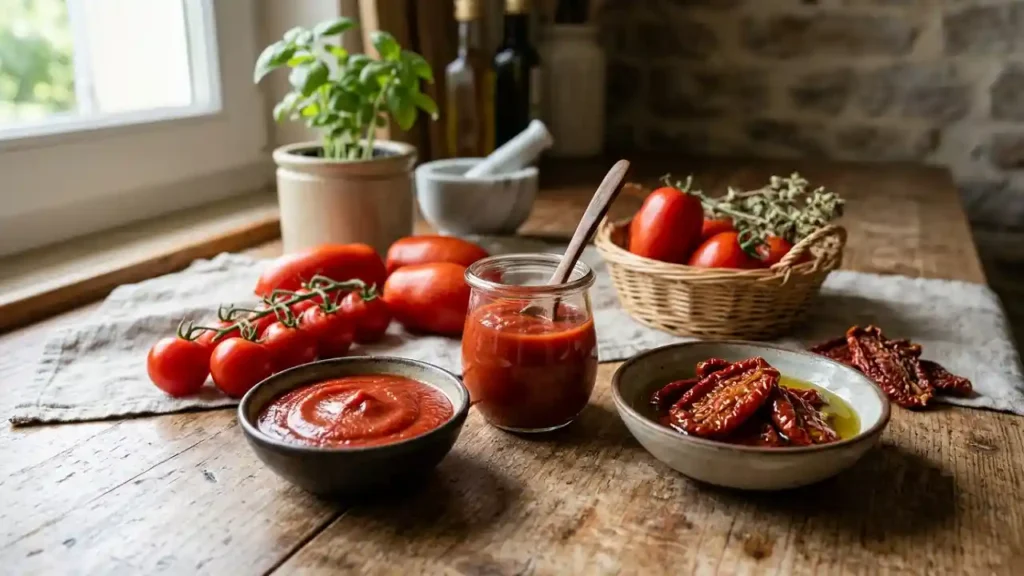
Step-by-Step Production Guide
- Select the Right Produce: Gather two pounds of ripe Roma or plum tomatoes from your garden harvest.
- Prep and Core: Wash the fruits thoroughly, remove the stems, and cut them into quarters.
- Blend to a Puree: Process the pieces in a high-powered blender until completely smooth.
- Strain the Liquids: Pass the mixture through a fine-mesh sieve to remove all seeds and skins.
- Simmer and Reduce: Pour the liquid into a wide saucepan and simmer over low heat.
- Skim the Surface: Stir frequently to prevent scorching on the bottom of the pan.
- Monitor the Volume: Continue cooking until the volume reduces by at least seventy percent.
- Cool and Store: Once it reaches a thick, spreadable consistency, let it cool before using it as a tomato paste substitute.
Sparkling Grape Juice Drinks Transform Home Entertaining This Season
What does this mean for produce lovers?
Embracing a homemade tomato paste substitute connects your cooking directly to the seasonal harvest cycle.
You are no longer bound by the limitations of a grocery store shortage.
Our culinary team observed that dishes utilizing fresh reductions had a noticeably cleaner finish.
The heavy, metallic undertone of standard canned paste vanishes completely.
Which alternative fits your specific recipe?
Not every tomato paste substitute works perfectly in every single scenario.
For instance, a delicate seafood stew requires a very light touch.
Using a heavy, roasted red pepper paste might overwhelm the briny notes of the fish.
Conversely, a rich beef braise can easily handle a robust, caramelized tomato puree.
We recommend analyzing the primary flavor profile of your dish before choosing your replacement.
Best Uses by Dish Type
- Italian Pasta Sauces: Opt for a strained, reduced fresh tomato puree.
- Mexican Chilis: A blended mix of canned whole tomatoes and chili powder works beautifully.
- Barbecue Glazes: Use a ketchup-based tomato paste substitute mixed with a touch of molasses.
- Curries and Gravies: A concentrated paste made from sun-dried tomatoes adds incredible depth.
Tortilla Strips : Elevating Your Fresh Produce Harvest
How do you adjust cooking times for liquid alternatives?
When using a liquid-heavy tomato paste substitute, you must alter your simmering strategy.
Simply dumping extra liquid into a hot pan will make your sauce watery.
We recommend adding the alternative early in the cooking process.
This gives the excess moisture ample time to evaporate while blending with your aromatics.
Caramelizing your tomato paste substitute in oil alongside onions and garlic unlocks deep flavor compounds.
This step is crucial for achieving that authentic, cooked-down taste that brings a dish together.
Keep a close eye on the pan, as fresh sugars tend to burn faster than stabilized commercial pastes.