How to cook lentils : The farm-fresh guide
As the autumn harvest arrives, our fields are yielding a spectacular crop of pulses.
Learning how to cook lentils properly is the ultimate way to honor this sustainable, nutrient-dense produce.
Culinary insiders are noting a massive shift toward plant-based, earth-first eating.
Mastering this simple ingredient connects your kitchen directly to the roots of sustainable agriculture.
Boones Farm : The Nostalgic Fruit Wine Making a Comeback
Key Takeaways
- No soaking required: Unlike other dried beans, these tiny pulses cook quickly straight from the pantry.
- Texture matters: Different varieties serve distinct purposes, from firm salads to velvety purees.
- Salt at the end: Adding salt too early can toughen the skins and prolong your simmering time.
What does this mean for produce lovers?
Our harvest analysis suggests that small-scale pulse farming is revitalizing depleted soils across the region.
When you learn how to cook lentils, you are participating in a regenerative food system that fixes nitrogen back into the earth.
If you have been following sustainable produce trends, this focus on humble legumes won’t come as a surprise.
We tasted several varieties from our recent test plots to determine the best kitchen preparation methods.
The results show that cooking techniques must change based on the specific variety you choose.
Knowing how to cook lentils depends entirely on matching the right pulse to the right recipe.
| Lentil Variety | Ideal Texture | Average Simmer Time | Best Culinary Use |
| Brown / Pardina | Holds shape well | 20–25 minutes | Soups, stews, and veggie burgers |
| Green / French Puy | Firm and peppery | 25–30 minutes | Warm grain salads and side dishes |
| Red / Egyptian | Soft and creamy | 15–20 minutes | Indian dals, thickeners, and purees |
| Black / Beluga | Plump and caviar-like | 20–25 minutes | Elegant appetizers and cold salads |
How will this ingredient impact your next meal?
A single bag of dried pulses holds the potential for dozens of cheap, comforting, and deeply nourishing meals.
Our culinary team observed that many home cooks struggle with mushy results because they lack a standardized method.
We want to demystify the process so you can understand how to cook lentils with absolute precision every single time.
The secret lies in gentle simmering rather than a aggressive, rolling boil.
Hard boiling causes the skins to rupture, turning your beautiful produce into an unappealing paste.
Let us walk through the essential preparation steps we perfected in our farm kitchen.
Pepperidge Farm Stuffing : Elevate Your Dinner Table
What are the steps for perfect stovetop preparation?
First, you must sort and rinse your dry pulses thoroughly.
Spread them out on a flat baking sheet to check for tiny pebbles or debris from the field harvest.
Place the sorted pulses in a fine-mesh strainer and rinse them under cold running water until the water runs clear.
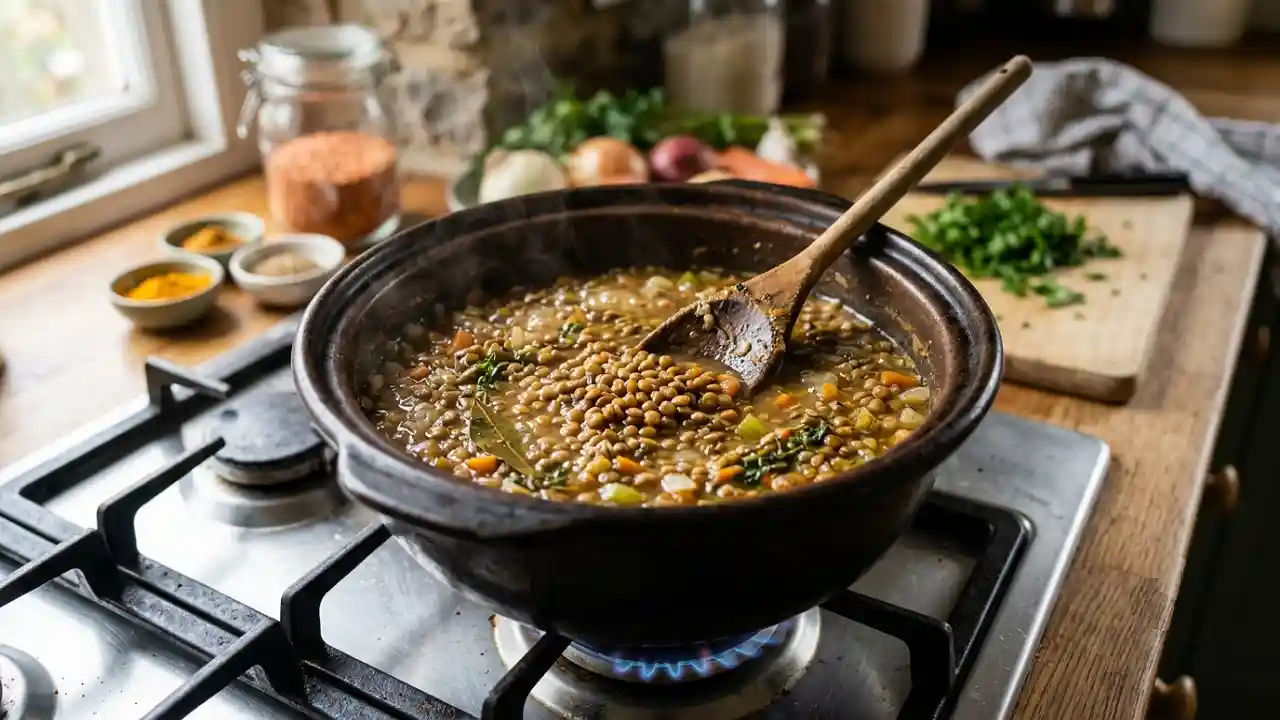
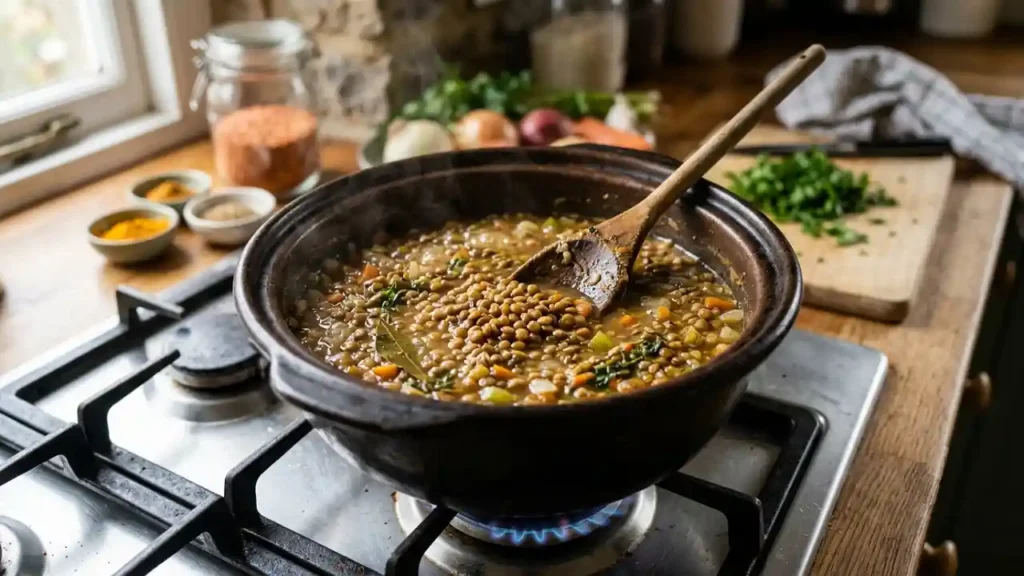
Here is our foolproof method for how to cook lentils on a standard stovetop.
- The Liquid Ratio: Use three cups of liquid for every one cup of dried pulses.
- The Aromatics: Enhance the flavor by adding garlic cloves, bay leaves, or fresh rosemary sprigs to the pot.
- The Simmer: Bring the liquid to a boil, then immediately drop the heat to low and cover the pot.
- The Salt Rule: Stir in your sea salt during the final five minutes of cooking only.
How do you match the variety to the plate?
If you want to understand how to cook lentils for a refreshing summer salad, reach for the French green variety.
They retain a delightful, toothsome bite that pairs beautifully with a sharp lemon vinaigrette.
For cozy winter comfort, learning how to cook lentils of the red variety will yield a rich, velvety porridge.
Red varieties break down completely, making them excellent natural thickeners for rustic vegetable broths.
Brown varieties are your dependable all-purpose option for traditional weekday comforting soups.
Why should this pulse dominate your kitchen rotation?
Beyond the incredible culinary versatility, these crops are true champions of environmental sustainability.
They require very little water to grow compared to animal protein sources, making them a climate-smart choice.
Our agricultural experts emphasize that eating more pulses directly supports diverse crop rotation strategies for local farmers.
When you master how to cook lentils, you gain an affordable way to feed your family premium nutrition.
They are packed with plant-based protein, dietary fiber, iron, and essential B vitamins.
Fire Cider Recipe : Brew the Ultimate Roots Remedy
How can you elevate the final flavor profile?
The cooking liquid you choose offers a massive opportunity to infuse deep flavor into the grain.
Instead of plain water, our kitchen team prefers using a rich homemade vegetable or mushroom stock.
Adding a splash of high-quality olive oil at the very end creates a luxurious mouthfeel.
A bright squeeze of fresh lemon juice or a dash of red wine vinegar right before serving wakes up the earthy undertones.
Now that you know how to cook lentils properly, you can confidently experiment with different spices and fresh garden herbs.