
Organic Apples : The New Kitchen Gold Standard
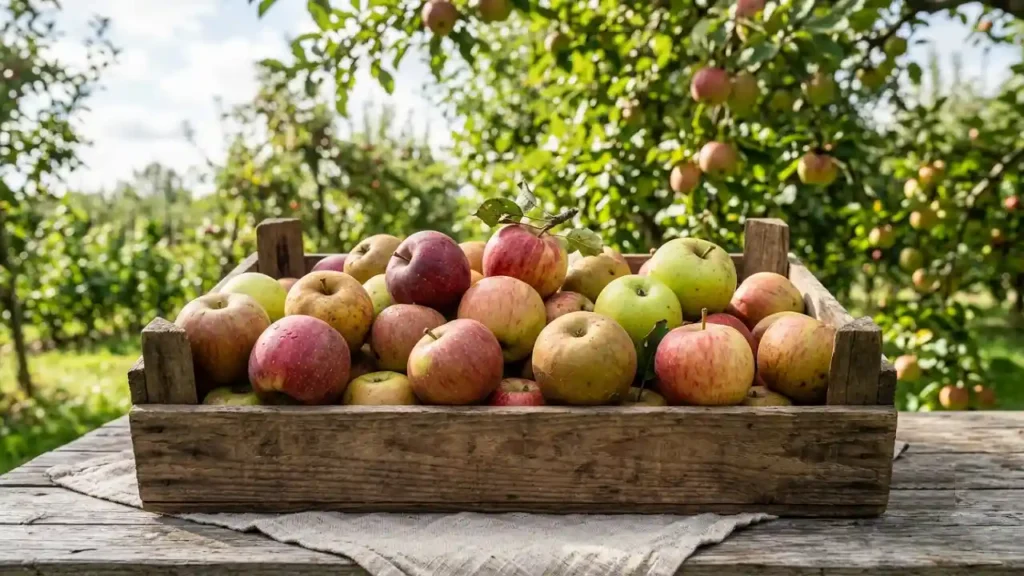
We harvested our first peak-season orchard yields this week and noticed something remarkable about the current crop.
Culinary insiders are noting that organic apples are commanding unprecedented attention in both high-end restaurants and home kitchens this year due to their superior density and unmatched sugar-to-acid balance.
Natural Foods : Why Your Kitchen Needs True Farm-to-Table Produce
Key Takeaways
- Flavor Superiority: True organic cultivation allows the fruit to develop deeper, more complex flavor profiles.
- Kitchen Versatility: A higher density means they hold their structure beautifully during intense heat applications like baking or roasting.
- Nutritional Integrity: Keeping the skin intact ensures you receive the maximum concentration of antioxidants and fiber.
Why are organic apples dominating modern menus?
If you have been following contemporary produce trends, this shift toward heritage fruit won’t come as a surprise.
Our harvest analysis suggests that consumers are moving away from hyper-symmetrical, wax-coated varieties in favor of authentic, earth-grown alternatives.
Because organic apples grow without synthetic inputs, the trees naturally produce more polyphenols to protect themselves.
This biological defense mechanism translates directly into a bolder, sharper taste that cuts through rich ingredients like artisanal cheeses and heritage pork.
Our culinary team observed that these fruits also boast a significantly lower water content than their conventional counterparts.
In the kitchen, less water means your tarts will not have soggy bottoms, and your pan sauces will reduce into a rich, velvety glaze.
How do different varieties perform under heat?
Choosing the right variety is essential for achieving the perfect balance of texture and sweetness in your cooking.
We tested four premier varieties from our recent harvest to see how they stack up in everyday culinary applications.
| Variety | Texture Profile | Best Culinary Use | Flavor Notes |
| Honeycrisp | Crisp, shatteringly crunchy | Fresh salads, raw pairings | Exceptionally sweet, light honey undertones |
| Braeburn | Firm, dense, sturdy | Baking, slow roasting | Balanced, classic tartness |
| Granny Smith | Hard, crisp, resilient | Pies, savory sauces | Highly acidic, sharp, citrusy |
| Fuji | Dense, fine-grained | Applevinegars, raw snacking | Subtly sweet, floral, low acid |
What does this mean for your weekend meal prep?
Using organic apples allows you to utilize the entire fruit without worrying about chemical residues lurking on the skin.
We highly recommend keeping the peels on when mashing or blending to introduce a rustic texture and a vibrant color to your final dish.
Organic apples bring a natural pectin punch to the table, which means your homemade jams and chutneys will set perfectly without needing boxes of powdered additives.
Below, we have outlined our signature kitchen technique for transforming a standard autumn harvest into a versatile, savory-sweet reduction.
Potassium Rich Foods That Actually Belong on Your Plate
Step-by-Step Roasted Compote Technique
- Selection: Gather four large, firm organic apples and wash them thoroughly in cold water to remove any orchard dust.
- Preparation: Core the fruit and dice it into uniform half-inch cubes, deliberately leaving the nutrient-dense skins intact for texture.
- Mise en Place: Toss the cubes with one tablespoon of fresh lemon juice, a pinch of sea salt, and two tablespoons of unrefined cane sugar.
- Searing: Heat a heavy cast-iron skillet over medium heat and melt one tablespoon of grass-fed butter until it begins to foam slightly.
- Deglazing: Add the diced fruit to the hot skillet, allowing them to sear undisturbed for two minutes before stirring in a splash of apple cider vinegar.
- Simmering: Reduce the kitchen flame to low, cover the skillet, and let the mixture gently simmer for twelve minutes until the fruit collapses into a thick, glossy spread.
Potassium Rich Foods That Actually Belong on Your Plate
How will this ingredient impact your next meal?
The true beauty of keeping organic apples stocked in your pantry lies in their ability to bridge the gap between sweet and savory dishes.
A simple raw shave of a tart variety can instantly elevate a heavy winter salad of kale and toasted walnuts.
When you roast organic apples alongside root vegetables like sweet potatoes and parsnips, their sugars caramelize into a savory glaze that pairs beautifully with roasted poultry.
We love combining diced fruit with minced ginger and mustard seeds to create a vibrant condiment that cuts through the fat of a classic pork chop.
If you prefer sweet applications, try folding thin slices into your morning oatmeal along with a generous sprinkle of true Ceylon cinnamon.
Why should you choose organic apples over conventional options?
The decision to source organic apples extends far beyond individual health considerations and touches directly on regional environmental health.
- Soil Vitality: Sustainable orchard management fosters a thriving underground ecosystem of beneficial microbes and mycorrhizal fungi.
- Pollinator Protection: Eliminating toxic chemical sprays keeps local honeybee populations safe and active during critical spring pollination windows.
- True Flavor: Without artificial growth accelerators, the fruit matures at a natural pace, locking in concentrated sugars and complex aromatic compounds.
- Water Conservation: Healthy, carbon-rich organic soils retain moisture far more effectively, dramatically reducing the need for heavy irrigation.
La Ceiba Foods Listeria Recall
What are the best ways to store your harvest?
Proper post-harvest handling is critical if you want your organic apples to retain their crispness for weeks to come.
Never store them in a open bowl next to bananas or avocados, as the natural ethylene gas will cause everything to overripen rapidly.
Instead, place your unwashed organic apples inside the crisper drawer of your refrigerator, ideally wrapped loosely in a damp paper towel to maintain humidity.
If you happen to harvest an abundance of fruit, consider slicing and freezing them on a flat baking sheet before transferring them to airtight bags for winter baking.
Every single piece of fruit tells a story of the soil it was raised in, and treating it with respect in the kitchen honors that journey.